

Vertebrogenic pain is a distinct type of chronic low back pain caused by damage to vertebral endplates from disc degeneration or simply the wear and tear that occurs with everyday living.
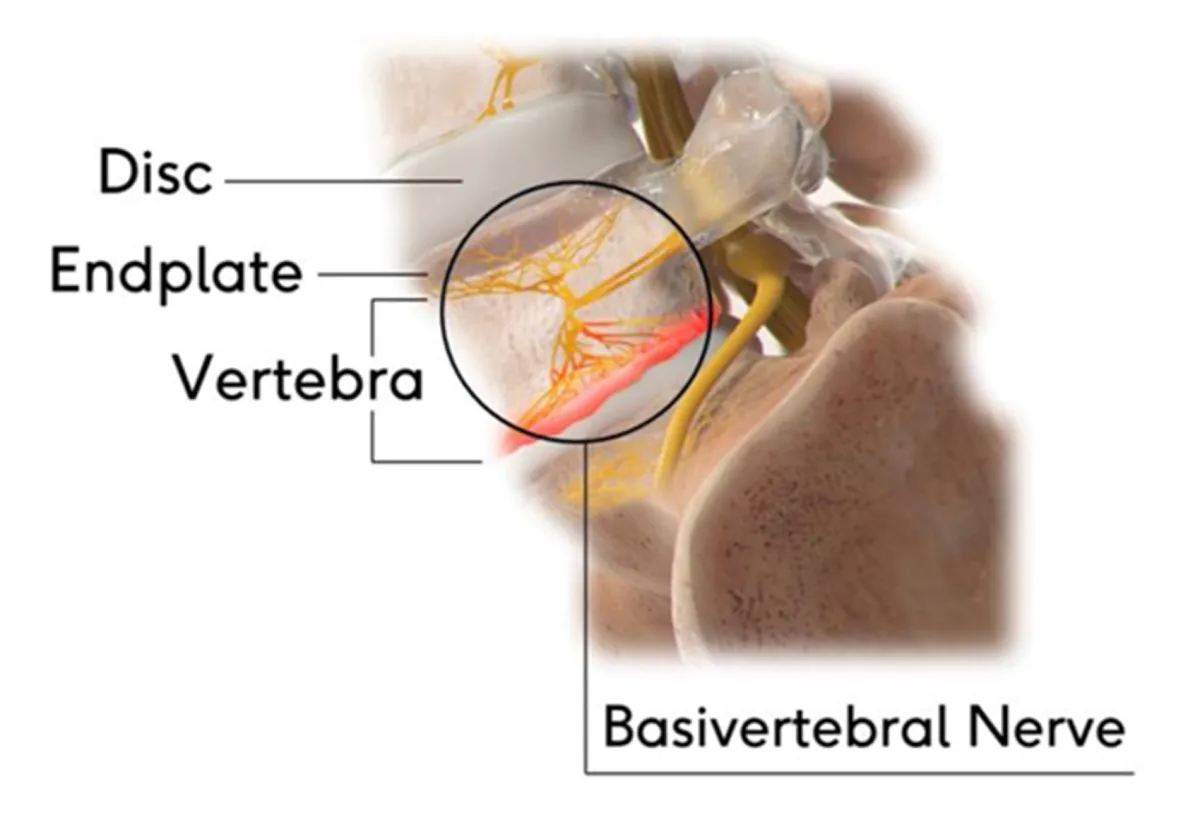
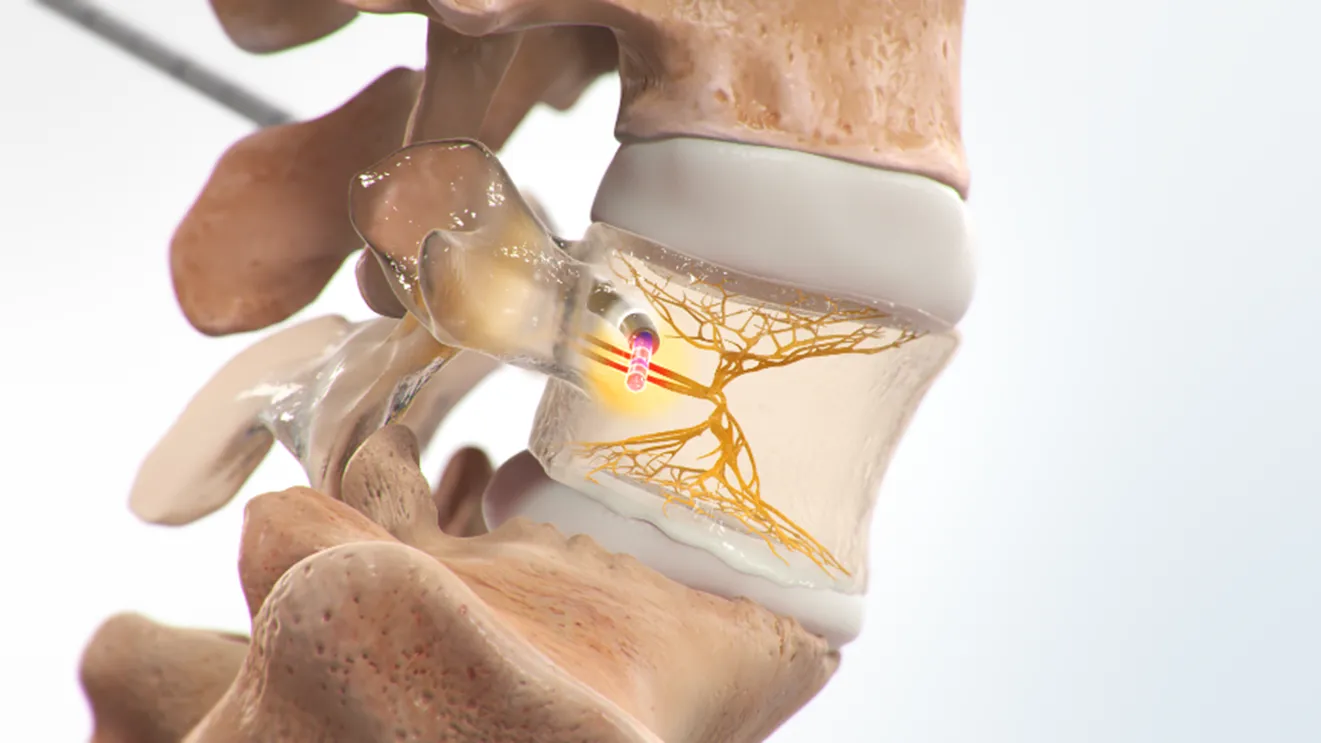
The basivertebral nerve (BVN), found within the vertebrae, carries pain signals from the inflamed endplates to the brain.
What are the signs and symptoms of vertebrogenic low back pain?
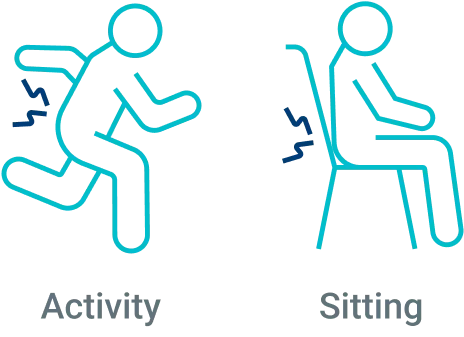
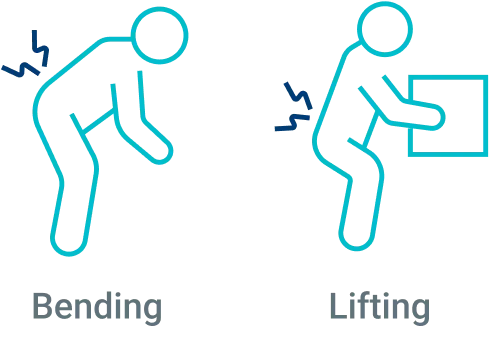
Patients often describe vertebrogenic pain as in the middle of their low back that is made worse by1:
- physical activity
- prolonged sitting
- bending forward
- bending and lifting
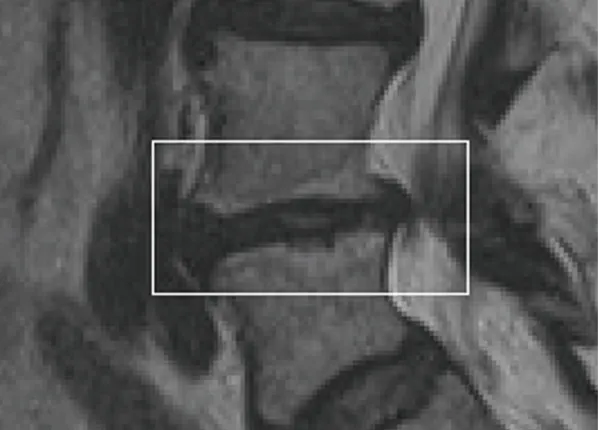
To make a clear diagnosis of vertebrogenic pain, physicians use MRI to look for specific changes that occur with endplate inflammation, which are called Modic changes.
How is vertebrogenic low back pain treated?
The Intracept™ Procedure is the only procedure specifically designed to target the BVN for the relief of chronic vertebrogenic low back pain – by heating the BVN with a radiofrequency probe to stop it from sending pain signals to the brain.
The Intracept Procedure is minimally invasive and implant free, preserving the overall structure of the spine. Patients are under anesthesia, and the procedure generally lasts an hour.
How effective is the Intracept Procedure in treating vertebrogenic low back pain?
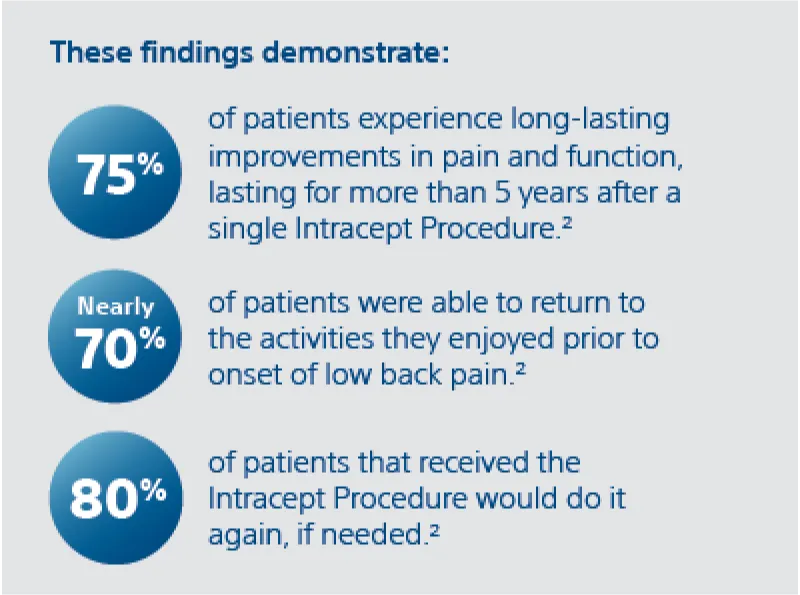
At five years following a single Intracept Procedure, patients reported that2:
Watch an Intracept Procedure overview and hear from patients who have experienced low back pain relief:
Check out this full collection of patient testimonials to hear more stories of lasting pain relief.
How can I learn more about the Intracept Procedure?
For more information, visit the Intracept Procedure Resource Page to find out more about vertebrogenic low back pain and this proven treatment.
Find a doctor who is trained to perform the Intracept Procedure:
Learn More
Indications for Use: The Intracept™ Intraosseous Nerve Ablation System is indicated for patients who have had chronic low back pain for at least six months, who have tried conservative care for at least six months, and whose MRI shows features consistent with Modic changes – indicating damage at the vertebral endplates has led to inflammation. Not every patient who meets these criteria is a candidate for the Intracept Procedure, however – in fact, there are specific characteristics indicating a patient should not be considered for the procedure.
Contraindications include being pregnant, having weakened cardiac or pulmonary function, having an active implanted electronic medical device in the body (such as a pacemaker or defibrillator), being diagnosed with a systemic or local infection, or having an anatomy that could be damaged unintentionally while ablating the basivertebral nerve (based on your physicians’ clinical review). The Intracept Procedure is also contraindicated in patients who are skeletally immature – which generally means individuals under the age of 18 are not candidates. There are also certain risks and precautions regarding the procedure which you should be aware of before proceeding. Talk with your doctor about what indicates, and contraindicates, certain patients for the Intracept Procedure – as well as the risks and precautions for the procedure. For complete indications for use, contraindications, warnings, precautions, and side effects visit www.relievant.com/intracept/.
Caution: U.S. Federal law restricts this device to sale by or on the order of a physician.
1 Koreckij T, Kreiner S, Khalil JG, Smuck M, Markman J, Garfin S. Prospective, randomized, multicenter study of intraosseous basivertebral nerve ablation for the treatment of chronic low back pain: 24-month treatment arm results. NASSJ. Published online October 26, 2021. DOI: https://doi.org/10.1016/j.xnsj.2021.100089
2 Fischgrund J, Rhyne A, Macadaeg K, et al. Long-term outcomes following intraosseous basivertebral nerve ablation for the treatment of chronic low back pain: 5-year treatment arm results from a prospective randomized double-blind sham-controlled multi-center study. Eur Spine J. 2020;29(8):1925-34. doi.org/10.1007/s00586-020-06448-x
© 2025 by Boston Scientific Corporation or its affiliates. All rights reserved.
NM-2244504-AA